
 adworld_jane
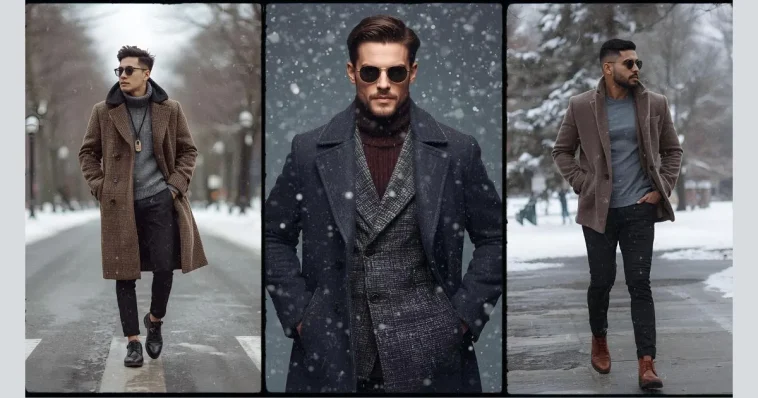
The Fundamentals Of Cold Weather Dressing
The goal of winter dressing is to balance three things: insulation, protection from the elements, and proportion. Insulation comes from warm fabrics and trapped air between layers. Protection is about windproofing and water resistance. Proportion means clothes should fit in a way that looks intentional rather than accidental. When these three elements are in harmony, outfits will look composed and feel comfortable.
Build A Winter Capsule Wardrobe
A capsule makes dressing faster and more consistent. Start with a neutral base and add a few statement pieces. A basic capsule for winter could include:
- A fitted thermal or merino base layer.
- Two quality sweaters: one crew neck and one roll neck.
- A midweight wool blazer or unstructured jacket.
- A technical parka or long wool overcoat, depending on the climate.
- Leather boots and a pair of winter sneakers or insulated lace-ups.
- Cold weather accessories: scarf, gloves, and a warm hat.
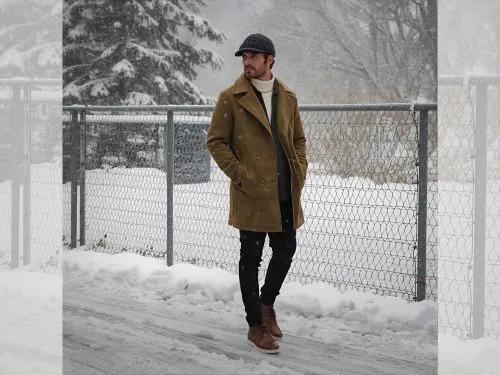
Aim for a mix of performance outerwear for bad-weather days and classic tailoring for days that call for a smarter approach. The distinction between technical and tailored pieces helps a wardrobe adapt to different needs. For extreme winter protection, editors continue to recommend parkas with high-quality insulation and weatherproof shells. Recent reviews highlight parkas that balance technical performance and everyday style.
Layering Rules That Actually Work
Layering is both functional and stylistic. Follow these simple rules:
- Start with a breathable base layer that fits close to the skin. Fabrics like merino wool or performance synthetics regulate temperature and wick moisture.
- Use a midlayer for insulation. This can be a cotton or wool shirt under a sweater, or a fleece or light down vest. A well-chosen midlayer traps heat without adding bulk.
- Finish with an outer layer for weather protection. Choose a coat with a length that suits the climate and the occasion.
Spacing matters. Each layer should be slightly larger than the one beneath it so movement remains easy. Unstructured layers that maintain a clean silhouette are preferable to overly puffy combinations unless warmth is the sole priority. Retailers and brand guides now often offer destination-based layering suggestions to help shoppers choose pieces based on climate and travel plans.
How To Style Winter Outfits For Men The Right Way
1. Outerwear Guide: Coats, Parkas, And Overcoats
Outerwear is the single most important investment in a winter wardrobe. Choices should be guided by climate and lifestyle.
- Parka: A down or synthetic-filled parka provides the best protection in very cold or wet climates. Look for water-resistant shells, insulated hoods, and practical pockets. Reviews in 2025 point to multiple parkas that balance warmth and everyday wearability.
- Long Wool Overcoat: For city winters and smarter outfits, a well-tailored wool or wool-blend overcoat reads polished with suits, jeans, and boots. Opt for a coat that ends just above the knee for proportion.
- Technical Puffers: Shorter insulated jackets provide excellent warmth-to-weight ratios. They pair well with casual outfits and are easy to layer under an overcoat for added insulation.
- Field Jackets And Peacoats: For mild winters or transitional months, a wool peacoat or waxed field jacket gives structure without excessive bulk.
Certain tested models have emerged as standouts for performance and fit this year. For cold, protective parkas, leading gear testers gave top marks to several long-hem parkas that combine fill quality and construction for real-world warmth. For city dwellers who value warmth and classic lines, the Fjallraven Nuuk Parka has been praised for its comfort, pocket utility, and durability.
2. Knitwear And Midlayers To Invest In
Knitwear is where texture and personality can enter a winter outfit. Prioritize quality fibers because they last longer and drape better. Key options:
- Cashmere or Merino Crew Necks: Soft, insulating, and suitable under a blazer or coat. Choose midweight cashmere for a luxurious feel without too much bulk.
- Cable Knit or Chunky Sweaters: These add tactile interest and work well with jeans or flannel trousers. Keep proportions balanced by pairing chunky knits with slimmer trousers.
- Roll Necks or Turtlenecks: These are excellent as both inner layers under a blazer and as standalone tops for more refined casual outfits.

Editors in 2025 singled out modern knitwear for its improved sustainability credentials and new cuts that favor a relaxed, clean shape rather than an oversized silhouette. Expert roundups from reputable fashion outlets can help identify brands that combine responsible sourcing with consistent knit quality.
3. Footwear And Socks: Function Meets Style
Footwear needs to be practical and complementary to the outfit. Consider these options:
- Waterproof Leather Boots: Classic styles like Chelsea and lace-up boots with a waterproof treatment provide durability and polish. For deep snow or icy conditions, insulated lug-sole boots are safer and warmer. Performance reviews recommend boots with good traction, waterproof membranes, and insulation suited to local winter conditions.
- Winter Sneakers: For milder conditions, insulated or water-resistant sneakers work well with casual looks.
- Socks: Choose merino or wool blends for warmth and odor control. Thicker hiking-style socks are best for boots, while fine merino or cashmere blends pair better with dress shoes.
When shopping for boots, prioritize a combination of traction, insulation, and waterproofing. Recent tests and roundups identify brands that consistently meet these criteria, so consult performance reviews for model-level guidance.
4. Accessories That Transform An Outfit
Accessories add function and style. Invest in these items:
- Scarf: A cashmere bandana scarf or a full-sized cashmere scarf can shift an outfit from functional to refined. Bandana-sized cashmere scarves have become a prominent accessory in recent editorials for their ability to frame the face and add a neat finishing touch.
- Gloves: Leather-lined gloves with a wool or cashmere inner layer combine dexterity and warmth. For touchscreen use, look for models with conductive finger tips.
- Hat: A thick ribbed beanie or a wool flat cap complements most winter looks. Balance the hat style with the coat and face shape.
- Socks and Insoles: Thicker, breathable socks and an insulating insole improve overall comfort on long, cold days.
Accessories are a cost-effective way to refresh a capsule without changing core pieces. Consider neutral colors for scarves and gloves to maximize coordination.
5. Color, Texture, And Pattern
Winter outfit palettes tend to favor neutrals, which makes mixing pieces simpler. These palettes remain current:
- Foundation: Charcoal, navy, camel, and black.
- Accent Colors: Forest green, burgundy, and rust to introduce seasonal warmth.
- Texture: Wool, tweed, suede, and cable knits add depth and prevent a flat look.
Patterns such as subtle herringbone or plaid work well on overcoats and scarves. When introducing a pattern, keep other elements subdued to avoid visual noise.
Outfit Formulas And Examples
Here are practical formulas to build confidence in putting outfits together.
1. Smart Casual Commute
- Base: White Oxford shirt.
- Midlayer: Fine merino crew.
- Outer: Mid-length wool coat.
- Footwear: Leather Chelsea boots.
- Accessories: Cashmere scarf and leather gloves.
2. Weekend Layered Casual
- Base: Thermal Henley or merino long-sleeve.
- Midlayer: Quilted vest or fleece.
- Outer: Technical puffer or parka.
- Footwear: Insulated lace-up boots.
- Accessories: Beanie and wool socks.
3. City Nights Out
- Base: Lightweight turtleneck.
- Midlayer: Tailored blazer.
- Outer: Long wool overcoat.
- Footwear: Polished leather ankle boots.
- Accessories: Slim scarf and leather gloves.
These combinations keep proportions in check while allowing for personal variation. For example, a high-quality parka can be worn over a blazer for extra warmth on colder nights without sacrificing a tailored silhouette. Recent editorials stress choosing parkas and coats that maintain clean lines so the outerwear supports rather than swallows the outfit.
Care, Storage, And Longevity
Proper care extends garment life. Tips include:
- Follow label washing instructions. Wool and cashmere often require handwashing or gentle machine cycles, followed by flat drying.
- Use cedar blocks or breathable garment bags for off-season storage to prevent moth damage.
- Regularly condition leather boots and apply a waterproofing treatment before the wet season.
- Rotate coats and shoes to allow fabrics and soles to recover between wears.
Maintaining garments preserves both appearance and performance. Investing a little time in care reduces the frequency of replacement and keeps pieces looking new.
Recommended Brands And Where To Start
To assemble a winter wardrobe that balances style and performance, consider mixing heritage brands with tested technical labels:
- Technical Outerwear: The North Face, Arc’teryx, Nobis, and Fjallraven have models that perform well in rigorous conditions. Industry testing highlights choices across price ranges for insulation and weather protection.
- Knitwear And Midlayers: Brands like John Lewis house labels, Soft Goat, and other specialist knitters offer quality cashmere and merino options that are both enduring and accessible. Recent roundups and buyer guides point to several reliable knit options for different budgets.

- Boots: Reliable picks include insulated models from The North Face, Sorel, Kamik, and Merrell, depending on intended use. Boot reviews emphasize fit, traction, and waterproofing as the main buyer criteria.
- Everyday Basics: Brands like Uniqlo provide functional base layers and midlayers with excellent value, especially when planning travel or layering by destination. Use destination-specific layering advice to tailor purchases for planned climates.
Dressing Well In Winter Without Sacrificing Comfort
Winter style combines practicality and personality. By choosing durable outerwear, quality knitwear, supportive footwear, and versatile accessories, you can stay warm while projecting a considered look. Lean on tested gear reviews for performance-driven purchases and rely on classic tailoring and texture to keep outfits current. With a capsule approach and a few statement pieces, dressing for winter becomes an exercise in thoughtful selection rather than compromise.
For outfit inspiration, consult recent tested roundups for outerwear and boots, and check seasonal editorials for accessory trends like the cashmere bandana scarf. These sources help identify pieces that are both fashionable and functional for cold weather.